Stablecoins & Payments
Share
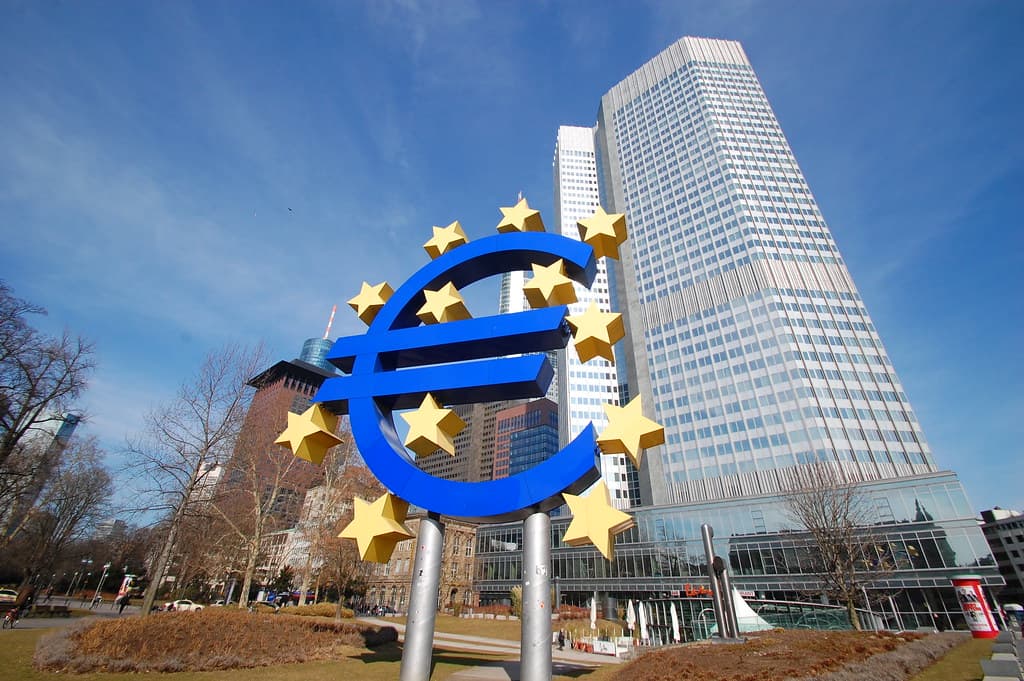
Six months after the European Union’s landmark Markets in Crypto-Assets (MiCA) regulation came into full effect, 53 digital asset firms have now received official authorization to operate across the bloc’s 30-member economic area, a major step in establishing a unified regulatory environment for crypto in Europe.
According to a July 7 update shared by Patrick Hansen, Director of EU Strategy and Policy at Circle, the list now includes 14 licensed stablecoin issuers from seven European countries, alongside 39 registered digital asset service providers (DASPs) authorized under MiCA.
Approved companies, including Coinbase, Kraken, Bitstamp, and N26, can now passport their services throughout the EU without the need for additional local approvals.
MiCA, which came into full force on December 30, 2024, is the world’s first comprehensive regulatory framework for the crypto industry. It addresses key areas such as consumer protection, licensing, disclosures, and stablecoin issuance.
Despite the growing list of approved entities, two major players remain absent: Tether, issuer of the world’s largest stablecoin USDT, and Binance, the world’s largest crypto exchange by volume.

Disclaimer of Warranty
The information provided in this article is for general informational purposes only. We make no warranties about the completeness, reliability, and accuracy of this information. Read full disclaimer
Tether has yet to obtain MiCA authorization, resulting in its delisting from several European platforms, including Coinbase and Crypto.com. Binance has also not appeared on the approved list so far, a development that highlight the challenges facing global crypto giants in adapting to the EU’s evolving compliance landscape.
Among the licensed stablecoin issuers are:
The majority of approved stablecoins are euro-pegged, with a few linked to the U.S. dollar and one backed by the Czech koruna. Notably, no firm has yet registered to issue an asset-referenced token (ART), stablecoins backed by a basket of assets, amid high compliance costs and low market demand, according to EU regulators.
In addition to licensing activity, European regulators have flagged over 35 crypto companies as non-compliant service providers, with Italy’s CONSOB leading enforcement efforts.
Elsewhere, digital media platforms in Western Europe are starting to feel the ripple effects of MiCA-related compliance changes and shifts in search engine algorithms, signaling broader adaptation challenges across the crypto ecosystem.
With firms racing to meet MiCA’s disclosure and transparency standards, the next major update to the approved licensee list is expected by the end of September 2025, marking the end of the regulation’s initial nine-month transition window.




Editor's Picks

UAE Stablecoins: Why They Are Built to Travel, Not Stay Local

Walid Abou Zaki

Feb 28, 2026

8 min

The Central Bank of the UAE Clearing the Noise Around Article 62
Walid Abou Zaki
Feb 25, 2026
5 min

Europe’s Crypto Purge: Did Lithuania Just Kick Out Innovation — and is the UAE the Beneficiary?
Salma Naueihed
Feb 18, 2026
7 min
Read More Articles

In the Same Space
UAE Stablecoins: Why They Are Built to Travel, Not Stay Local
Walid Abou Zaki
Feb 28, 2026
8 min
Tether Invests $200 Million in Whop to Expand Stablecoin Payments Globally
News Desk
Feb 26, 2026
2 min

Dubai Taxi Eyes Crypto Gateway Amid UAE Stablecoin Push
News Desk
Feb 26, 2026
2 min
OCC Seeks Feedback on GENIUS Act Stablecoin Proposal
News Desk
Feb 26, 2026
2 min


