Regulation & Policy
Share
"The true potential of blockchain is more exciting by far than that of cryptocurrencies," said Jun Lu, head of Lufax Technology Center, at CNBC's East Tech West conference in the Nansha district of Guangzhou, China.
When people talk about blockchain, Lu ventured, they are often only thinking cryptocurrencies. "Cryptocurrency is but one application of the blockchain technology, which in comparison has vastly more untapped potential and considerably more value to offer," considered Lu.
Recognizing the value of blockchain's alteration-resistant property, Lufax has already begun to record transactions on its digital wealth management platform using decentralized ledgers enabled by blockchain. To this date more than 10 million transactions have been recorded on the Lufax blockchain ledgers. This has allowed investors to trace the assets involved in transactions, and boosted their confidence. Meanwhile, the inherent transparency of these blockchain ledgers helps Lufax to ensure compliance and accountability. With customer consent, Lufax also offers them the service of using blockchain to safeguard their KYC information, so customers may just go through the onboarding process once, instead of having to get approved each time when they foray into a new asset type such as funds and trust products.

Disclaimer of Warranty
The information provided in this article is for general informational purposes only. We make no warranties about the completeness, reliability, and accuracy of this information. Read full disclaimer
Machine learning and blockchain are revolutionizing everything from customer service to asset allocation, said Lu. Lufax has developed a Know Your Intention (KYI) module using machine learning and behavioral psychology to better understand customer needs and render timely services. Even so, Lu thought human oversight in what financial institutions do is still necessary for the foreseeable future. Like the early days of Internet, "at this stage we have barely scratched the surface of the true extent of what technology can do to revolutionize banking and financial services," analyzed Lu. "While it is premature to predict robo-advisors trained through machine learning can take over completely, it is not too early to consider what the guardrails should look like in such a scenario."
While his enthusiasm for the blockchain technology exceeded that of bitcoin, Lu did see a promising future for cryptocurrencies. "A battle-tested, market-proved cryptocurrency may eventually manage to supplant the role of the traditional currency," mused Lu.
When asked what banks of 2030 will look like, Lu pointed to the accelerating trend of banking services moving from being dispensed in brick and mortar locations toward being increasingly digitized and offered online.
Physical banks may be a thing of the past, and "even if there are branches left, they will be nothing like the ones we see today," said Lu. For all we know, each urban center may just be left with one solitary banking office - a communal space where tellers from various banks cohabit to provide some kind of public utility or community service for those in need, so that no one gets left behind by the incessant march of technology.



Editor's Picks

UAE Stablecoins: Why They Are Built to Travel, Not Stay Local

Walid Abou Zaki

Feb 28, 2026

8 min
The Central Bank of the UAE Clearing the Noise Around Article 62
Walid Abou Zaki
Feb 25, 2026
5 min
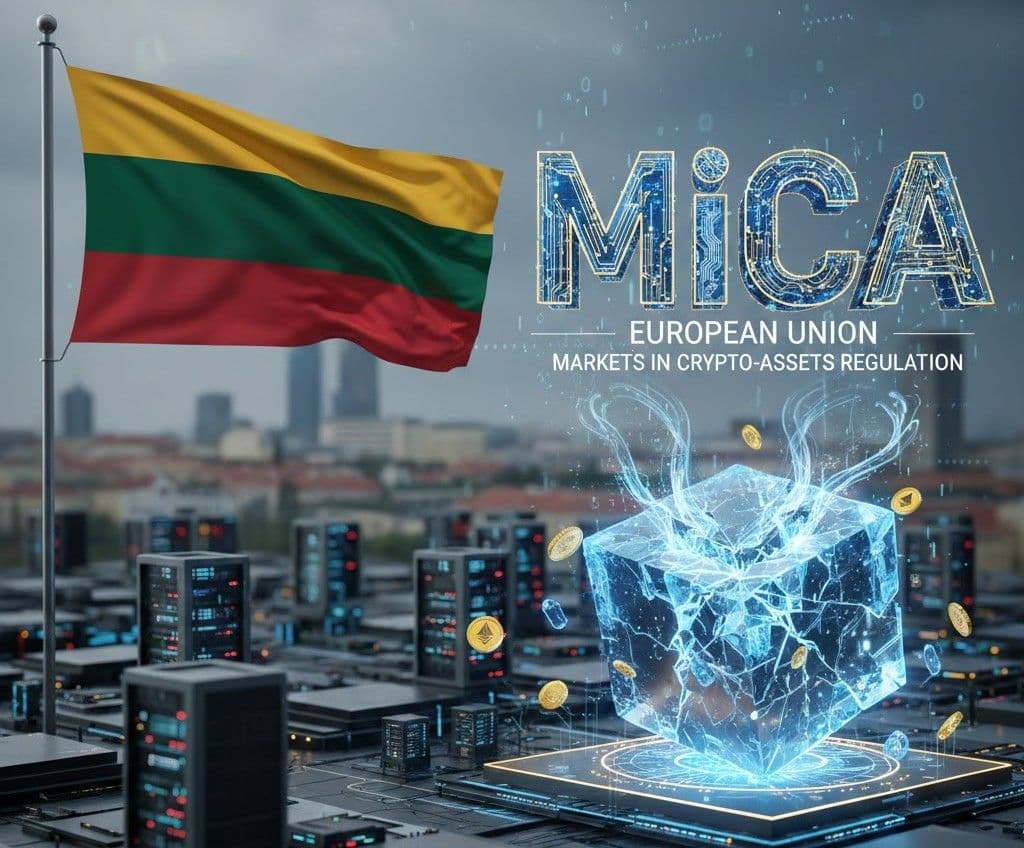
Europe’s Crypto Purge: Did Lithuania Just Kick Out Innovation — and is the UAE the Beneficiary?
Salma Naueihed
Feb 18, 2026
7 min
Read More Articles

In the Same Space

US Banks Weigh Lawsuit Over Crypto Trust Charters
News Desk
Mar 10, 2026
3 min

U.S. Congress Considers Granting Crypto Exchanges Authority to Freeze Suspicious Assets
News Desk
Mar 9, 2026
4 min
US Federal Court Dismisses All Claims Against Binance in Anti-Terrorism Lawsuit
News Desk
Mar 9, 2026
3 min
SEC Seeks Settlement With Justin Sun in TRON Case
News Desk
Mar 6, 2026
4 min