Regulation & Policy
Share
Chairman of Baker McKenzie Habib Al Mulla said it is only a matter of time before the technology changes the business landscape
“It’s no longer a question of ‘if’ or ‘when’, it’s now a matter of ‘how’ and ‘to what extent’ cryptocurrencies and underlying blockchain technology will be regulated before they [change] every aspect of modern business,” said the founder and chairman of Baker McKenzie, Dr Habib Al Mulla.
Owing to their volatile nature and the controversy that surrounds them, cryptocurrencies are likely to be regulated soon, according to the founder and chairman of Baker McKenzie, Dr Habib Al Mulla.
Speaking at the Arabian Business Startup Academy, Dr Habib Al Mulla said it is only a matter of time before the technology changes the business landscape.
“While cryptocurrencies remain relatively unregulated, I believe the near future may experience a change to that. Countries around the world… [are] trying to determine how they are going to treat [cryptocurrencies]. Some are welcoming, others are cautious. Some countries are downright antagonistic,” Al Mulla said.
“It’s no longer a question of ‘if’ or ‘when’, it’s now a matter of ‘how’ and ‘to what extent’ cryptocurrencies and underlying blockchain technology will be regulated before they [change] every aspect of modern business,” he added.

Disclaimer of Warranty
The information provided in this article is for general informational purposes only. We make no warranties about the completeness, reliability, and accuracy of this information. Read full disclaimer
Currently, there are approximately 200 cryptocurrency exchanges around the world, the majority of which are not regulated, according to Dr Al Mulla, meaning that most are not subject to the most basic disclosure obligations, such as disclosure of ownership, financial data or location.
He explained that because these cryptocurrency exchanges are based outside of sophisticated jurisdiction to avoid regulation and prosecution, regulators remain unclear on how to normalise them, with most suggested frameworks largely untested or still in the consultation phase.
He referred to Japan’s introduction of a cryptocurrency exchange license, claiming regulation can be made possible with slight changes to current rules.
“The rule of thumb is that these exchanges would need to be licensed and fit in with existing regulatory frameworks. And they can do that easily, in fact, with waivers or modifications to the existing rules,” he said.
“Asia seems to emerge as a power horse in that field due to its looser regulations and the presence of crypto platforms from the early days of Bitcoin and due to the penetration of crypo transactions in the local culture,” he added.
The UAE is yet to house a regulated blockchain-based exchange. While Bitcoin wallet BitOasis is often mistaken as an exchange, it does not act as intermediary or a marketplace, according to its website.



Editor's Picks
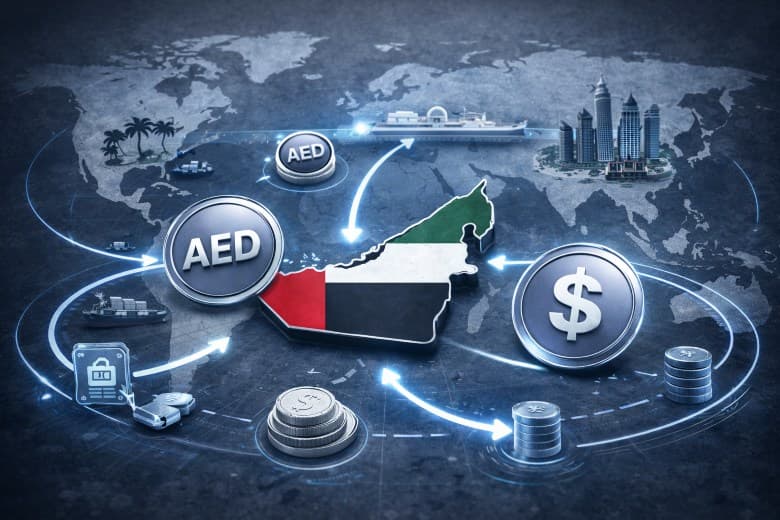
UAE Stablecoins: Why They Are Built to Travel, Not Stay Local

Walid Abou Zaki

Feb 28, 2026

8 min
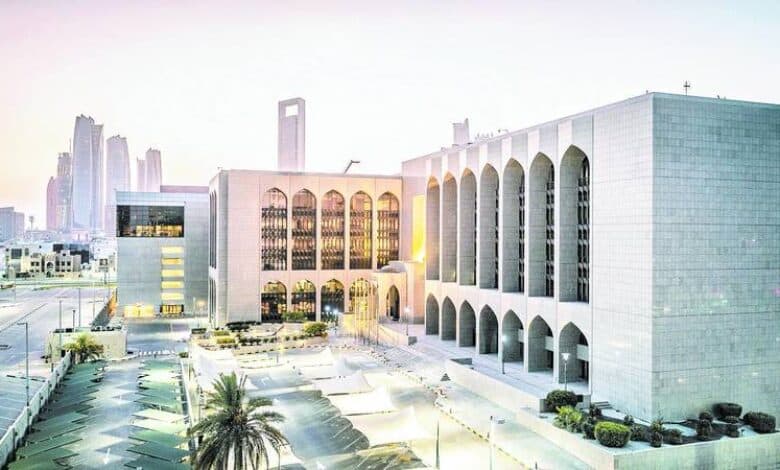
The Central Bank of the UAE Clearing the Noise Around Article 62
Walid Abou Zaki
Feb 25, 2026
5 min

Europe’s Crypto Purge: Did Lithuania Just Kick Out Innovation — and is the UAE the Beneficiary?
Salma Naueihed
Feb 18, 2026
7 min
Read More Articles

In the Same Space
UAE Stablecoins: Why They Are Built to Travel, Not Stay Local
Walid Abou Zaki
Feb 28, 2026
8 min
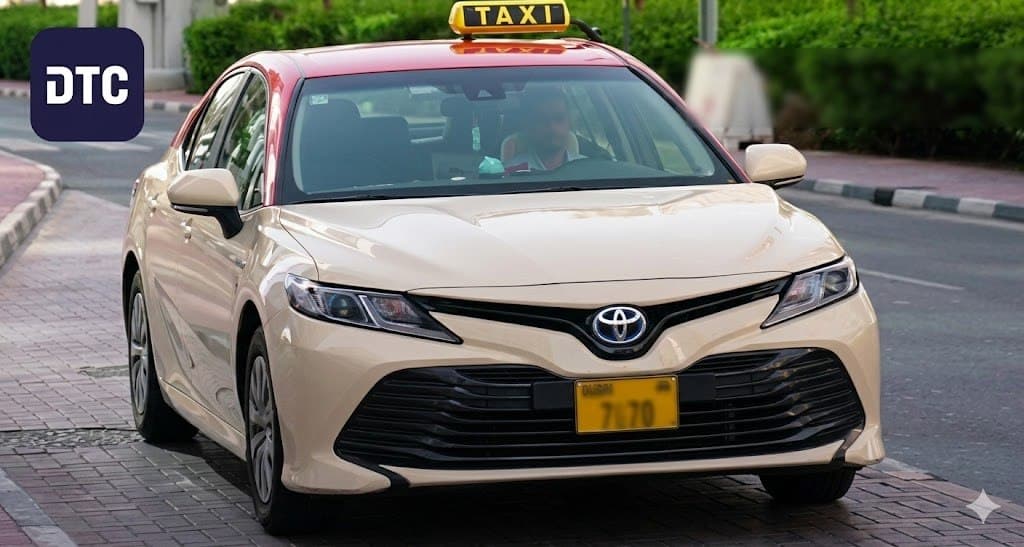
Dubai Taxi Eyes Crypto Gateway Amid UAE Stablecoin Push
News Desk
Feb 26, 2026
2 min
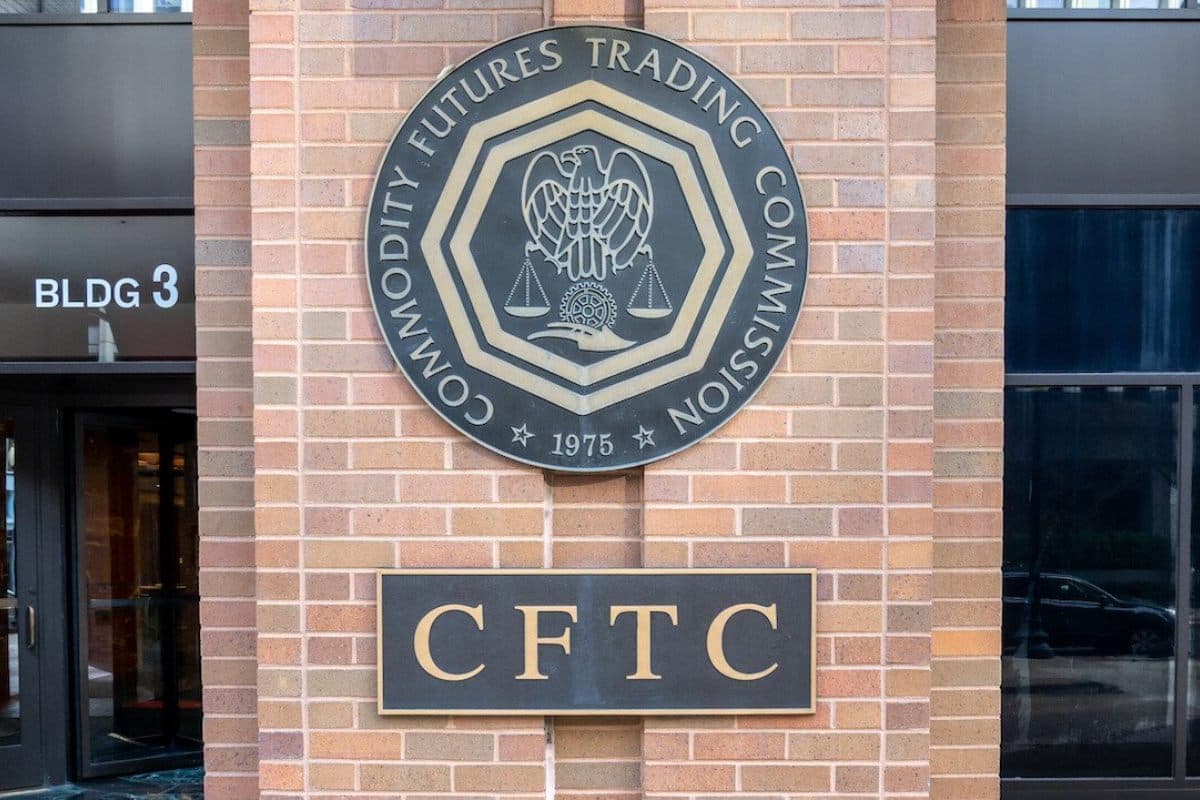
SEC and CFTC Sign Coordination Pact to Align Crypto and Financial Market Oversight
News Desk
Mar 12, 2026
4 min
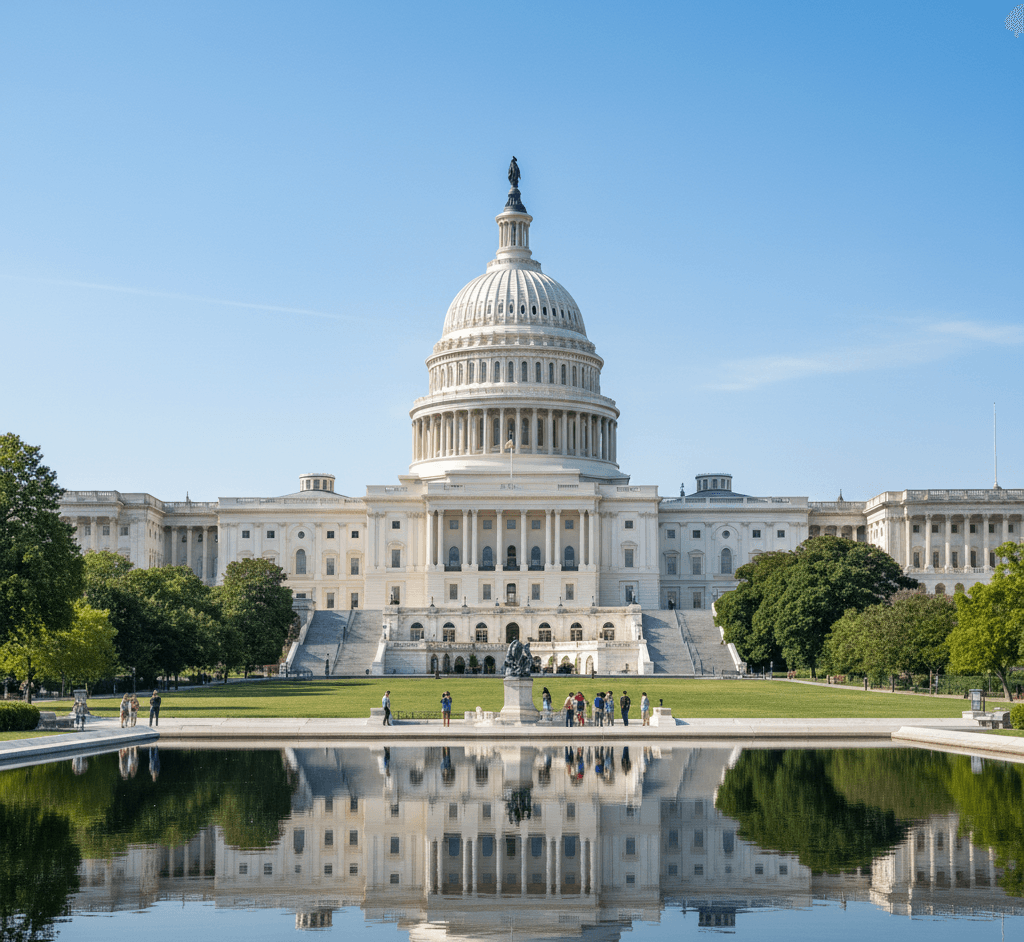
U.S. Senators Negotiate Stablecoin Rewards Compromise in Market Structure Bill
News Desk
Mar 11, 2026
4 min