Stablecoins & Payments
Share
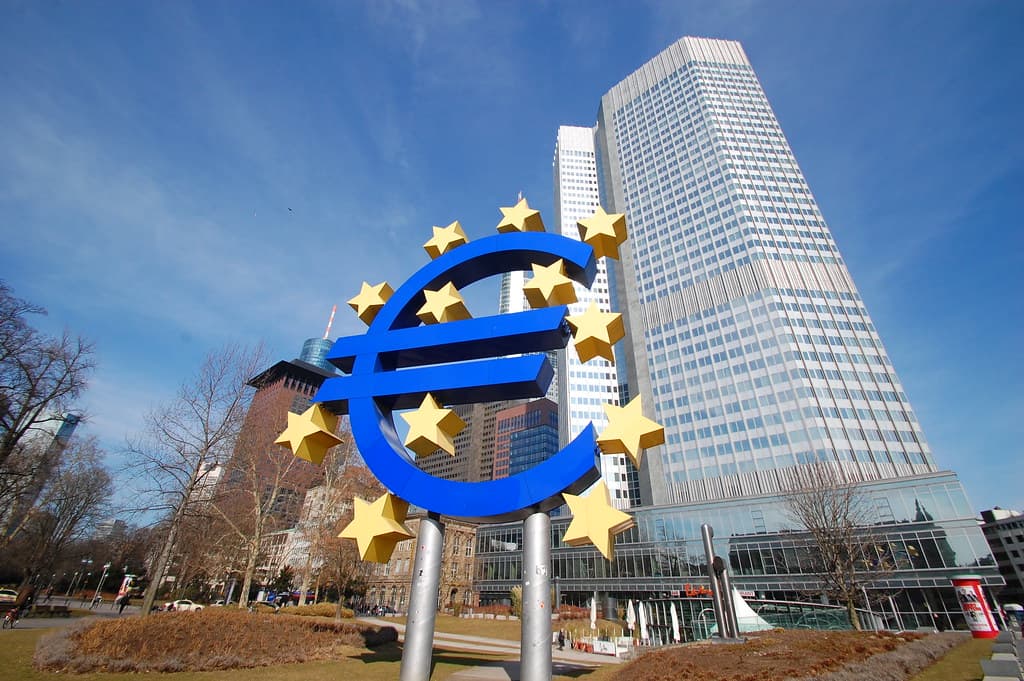
A year after the European Union began enforcing key rules for euro-denominated stablecoins, the sector is showing signs of a sharp revival.
A new study reports that the market capitalization of euro-pegged tokens has more than doubled in the 12 months following the rollout of relevant MiCA provisions in June 2024, an abrupt reversal from the 48% slide recorded the year before.
The findings come from the Euro Stablecoin Trends Report 2025, published by London-based payments firm Decta, which tracks developments across the European digital currency landscape. The report suggests that euro-linked stablecoins may be entering a new phase of growth after years of lagging behind their U.S. dollar counterparts.
According to the report, the combined market value of euro stablecoins climbed to roughly $500 million by May 2025, bolstered by clearer rules for issuers and standardized reserve requirements.
Current market data places the total at around $680 million, still small compared with the roughly $300 billion held in dollar-pegged tokens, but a marked shift for a segment that historically struggled to gain adoption.

Disclaimer of Warranty
The information provided in this article is for general informational purposes only. We make no warranties about the completeness, reliability, and accuracy of this information. Read full disclaimer
Despite its modest size, the recovery outpaced broader stablecoin activity, which grew around 26% over the same period.
Much of the expansion came from strong performance by a handful of issuers. Stasis’ EURS recorded the largest jump, expanding more than sixfold to reach $283.9 million by October 2025. Circle’s EURC and Societe Generale–Forge’s EURCV also saw substantial gains, supported by MiCA-driven clarity around issuance and custody obligations.
Transaction activity accelerated alongside market growth. Monthly volume for euro stablecoins rose nearly ninefold after MiCA’s implementation, reaching $3.83 billion. EURC and EURCV saw some of the fastest increases in usage, up 1,139% and 343% respectively, reflecting growing demand for payment settlement, fiat on-ramps and digital-asset trading pairs denominated in euros.
The regulatory shift appears to be resonating with consumers as well. Decta’s analysis shows significant spikes in online search activity across the EU, with Finland registering a 400% increase and Italy up more than 300%. Smaller markets such as Cyprus and Slovakia also showed steady gains, suggesting broader curiosity about euro-pegged digital money.
Even with strong year-on-year growth, euro stablecoins remain a niche corner of the global stablecoin market. But the report indicates that MiCA’s clearer framework may finally be giving the sector room to expand, marking an important milestone for Europe’s bid to build a more regulated, euro-centric digital asset ecosystem.


Editor's Picks
UAE Stablecoins: Why They Are Built to Travel, Not Stay Local

Walid Abou Zaki

Feb 28, 2026

8 min

The Central Bank of the UAE Clearing the Noise Around Article 62
Walid Abou Zaki
Feb 25, 2026
5 min
Europe’s Crypto Purge: Did Lithuania Just Kick Out Innovation — and is the UAE the Beneficiary?
Salma Naueihed
Feb 18, 2026
7 min
Read More Articles

In the Same Space

Dubai Taxi Eyes Crypto Gateway Amid UAE Stablecoin Push
News Desk
Feb 26, 2026
2 min
OCC Seeks Feedback on GENIUS Act Stablecoin Proposal
News Desk
Feb 26, 2026
2 min

Revolut Begins UK Pound Stablecoin Testing in FCA Sandbox
News Desk
Feb 26, 2026
2 min

U.S. Senators Negotiate Stablecoin Rewards Compromise in Market Structure Bill
News Desk
Mar 11, 2026
4 min


