Stablecoins & Payments
Share

SN
Senior English Editor


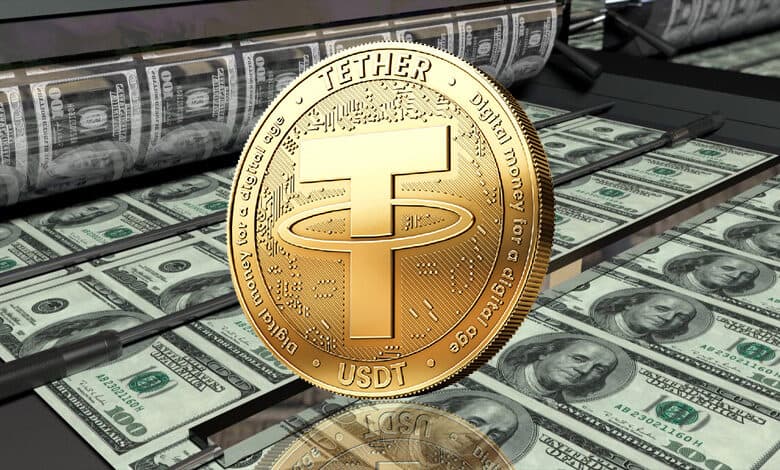
Europe is facing a critical moment in digital finance. The rise of U.S. dollar-backed stablecoins, such as Tether and Circle’s USDC, is challenging Europe’s financial sovereignty and influencing global economic dynamics. These stablecoins facilitate fast, low-cost cross-border payments, positioning the U.S. at the forefront of digital currency innovation.
In response, Europe is accelerating its own initiatives, including the digital euro, euro-denominated stablecoins, and blockchain-based payment solutions, to secure its economic independence and modernize financial infrastructure.
The global stablecoin market is expanding rapidly, with forecasts by Citigroup projecting up to $4 trillion in issuance by 2030. While many stablecoins are used for trading cryptocurrencies like Bitcoin, their influence on cross-border payments, liquidity, and market stability is significant. However, regulators remain vigilant. The market faces heightened scrutiny as governments and central banks aim to prevent systemic risks, especially with large issuers like Tether and Circle dominating roughly 90% of the $255 billion stablecoin market.
European policymakers are increasingly concerned about over-reliance on U.S. dollar-backed assets, which could expose the region to economic vulnerabilities. Bank of France official Agnès Bénassy-Quéré warns of “digital dollarization,” highlighting the strategic need for Europe to assert its own digital currency presence.
To counter the dominance of the digital dollar and secure financial sovereignty, Europe is pursuing multiple digital currency initiatives:

Disclaimer of Warranty
The information provided in this article is for general informational purposes only. We make no warranties about the completeness, reliability, and accuracy of this information. Read full disclaimer
The rise of U.S. dollar-backed stablecoins is as much geopolitical as financial:
By developing its own digital currency ecosystem, Europe seeks to strengthen monetary sovereignty, reduce foreign dependency, and maintain competitiveness in the global digital economy.
Despite the momentum, Europe faces challenges:
Experts like Joachim Samuelsson of Crunchfish AB argue that the future of payments may depend on linking existing instant-payment systems (e.g., Brazil’s Pix, India’s UPI, and European platforms) alongside blockchain initiatives to maximize efficiency and reliability.
The combined rise of digital euro projects, euro-denominated stablecoins, and blockchain experimentation signals a strategic, multi-layered approach:
Europe is transitioning from cautious experimentation to coordinated innovation, blending digital assets with traditional financial infrastructure. These initiatives position the continent as a formidable player in shaping the future of global finance.


Editor's Picks
UAE Stablecoins: Why They Are Built to Travel, Not Stay Local

Walid Abou Zaki

Feb 28, 2026

8 min

The Central Bank of the UAE Clearing the Noise Around Article 62
Walid Abou Zaki
Feb 25, 2026
5 min

Europe’s Crypto Purge: Did Lithuania Just Kick Out Innovation — and is the UAE the Beneficiary?
Salma Naueihed
Feb 18, 2026
7 min
Read More Articles

In the Same Space

Dubai Taxi Eyes Crypto Gateway Amid UAE Stablecoin Push
News Desk
Feb 26, 2026
2 min
OCC Seeks Feedback on GENIUS Act Stablecoin Proposal
News Desk
Feb 26, 2026
2 min

Revolut Begins UK Pound Stablecoin Testing in FCA Sandbox
News Desk
Feb 26, 2026
2 min

U.S. Senators Negotiate Stablecoin Rewards Compromise in Market Structure Bill
News Desk
Mar 11, 2026
4 min

