Regulation & Policy
Share

AK
Senior English Editor


The Financial Action Task Force (FATF) has issued updated annexes to its Money Laundering National Risk Assessment (NRA) Toolkit. The refresh zeroes in on four areas where regulators often face challenges: corruption, virtual assets and VASPs, legal persons and arrangements, and the informal economy.
These annexes provide structured checklists, case studies, and data sources to help countries measure risks more effectively. For many jurisdictions, the update is a necessary step in strengthening AML/CFT regimes that have lagged behind financial innovation.
While FATF is urging countries to address these areas, Dubai’s Virtual Assets Regulatory Authority (VARA) had already embedded them into its regulatory framework.
FATF now highlights the importance of assessing VASP markets and delivery channels. VARA had already established a tiered licensing regime and launched the Sponsored VASP framework in early 2025, creating ongoing supervision and reporting duties.
FATF emphasizes accurate beneficial ownership data and registry enforcement. Since 2023, VARA has required licensees to comply with UAE Ministry of Economy BO disclosure rules, ensuring transparency and accountability well before FATF’s update.

Disclaimer of Warranty
The information provided in this article is for general informational purposes only. We make no warranties about the completeness, reliability, and accuracy of this information. Read full disclaimer
The FATF annexes stress monitoring politically exposed persons (PEPs). VARA’s AML Rulebook already requires enhanced due diligence on PEPs, integrated into licensing and compliance obligations.
FATF points to financial exclusion and reliance on cash as vulnerabilities. The UAE, through VARA and the Central Bank’s payment token regulations, is tackling this by enabling regulated stablecoin frameworks and expanding digital asset rails for payments.
FATF’s refresh is part of a larger movement. In the United States, lawmakers are advancing the Genius Act and the Clarity Act, both designed to provide greater certainty and oversight for digital assets. Together with frameworks like VARA’s, these initiatives signal that digital assets are now fully mainstream.
What was once a fringe industry is now at the center of financial policy. FATF’s frequent updates, US legislative momentum, and VARA’s proactive stance all underline the same reality: regulators worldwide are racing to keep pace with innovation.
The FATF’s 2025 NRA update may be a wake-up call for many countries, but Dubai’s VARA demonstrates what it means to anticipate risks and act early. With the US also advancing through the Genius and Clarity Acts, it is clear that digital assets are no longer experimental — they are shaping the financial systems of tomorrow.



Editor's Picks
UAE Stablecoins: Why They Are Built to Travel, Not Stay Local

Walid Abou Zaki

Feb 28, 2026

8 min

The Central Bank of the UAE Clearing the Noise Around Article 62
Walid Abou Zaki
Feb 25, 2026
5 min

Europe’s Crypto Purge: Did Lithuania Just Kick Out Innovation — and is the UAE the Beneficiary?
Salma Naueihed
Feb 18, 2026
7 min
Read More Articles

In the Same Space
UAE Stablecoins: Why They Are Built to Travel, Not Stay Local
Walid Abou Zaki
Feb 28, 2026
8 min

Dubai Taxi Eyes Crypto Gateway Amid UAE Stablecoin Push
News Desk
Feb 26, 2026
2 min
SEC and CFTC Sign Coordination Pact to Align Crypto and Financial Market Oversight
News Desk
Mar 12, 2026
4 min
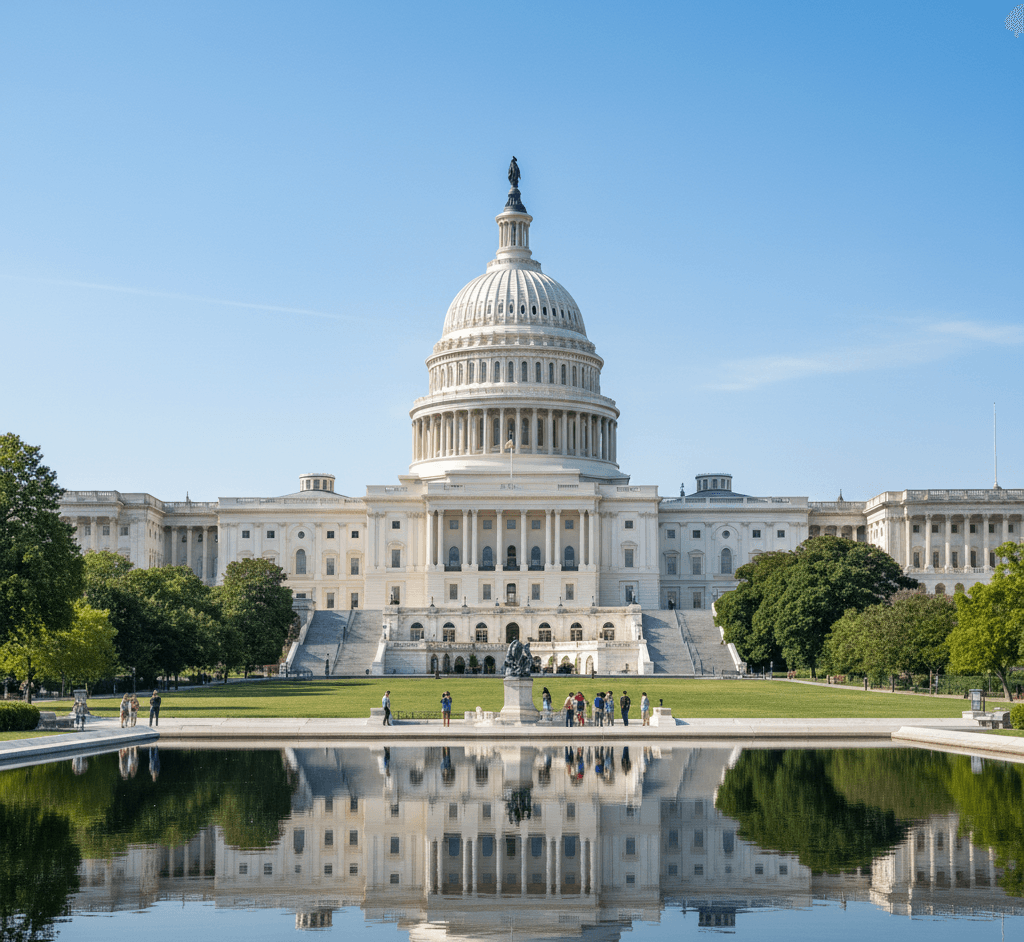
U.S. Senators Negotiate Stablecoin Rewards Compromise in Market Structure Bill
News Desk
Mar 11, 2026
4 min

