Funding & Capital
Share
The Frankfurt Public Prosecutor's Office, through its Central Office for Combating Internet Crime (ZIT), and the German Federal Criminal Police Office (BKA) have successfully shut down 47 cryptocurrency exchange services hosted in Germany. These platforms were found to be facilitating large-scale money laundering by failing to implement anti-money laundering (AML) measures, such as the Know-Your-Customer (KYC) protocol. This lack of compliance allowed criminals to conceal the origins of illicit funds, leading to violations under German laws.
These exchange services allowed users to trade cryptocurrencies without undergoing any registration or identity verification. The services were designed to provide quick and anonymous exchanges of cryptocurrencies and digital currencies, making them a vital tool for cybercriminals. Users of these platforms included ransomware groups, darknet merchants, and botnet operators, who used them to launder ransom payments and other illicit earnings into the legal financial system.
In the process of shutting down these platforms, the BKA and ZIT seized extensive user and transaction data, which will aid in further cybercrime investigations. These platforms played a crucial role in enabling money laundering, which is a critical component in the cybercrime ecosystem. The authorities now plan to analyze this data to dismantle more cybercrime networks.

Disclaimer of Warranty
The information provided in this article is for general informational purposes only. We make no warranties about the completeness, reliability, and accuracy of this information. Read full disclaimer
The shutdown is part of a broader strategy by German law enforcement to weaken the infrastructure of cybercriminals. This infrastructure-centric approach has already yielded significant results, such as the seizure of ChipMixer’s server infrastructure in 2023, where approximately €90 million was secured. Other successful operations include the takedown of malware like Qakbot in 2023 and Emotet in 2021, which had caused hundreds of millions of euros in damage globally. In 2024, the international operation "Endgame" targeted the infrastructures of six major malware families, along with their operators and financial assets.

Editor's Picks

UAE Stablecoins: Why They Are Built to Travel, Not Stay Local

Walid Abou Zaki

Feb 28, 2026

8 min

The Central Bank of the UAE Clearing the Noise Around Article 62
Walid Abou Zaki
Feb 25, 2026
5 min

Europe’s Crypto Purge: Did Lithuania Just Kick Out Innovation — and is the UAE the Beneficiary?
Salma Naueihed
Feb 18, 2026
7 min
Read More Articles

In the Same Space
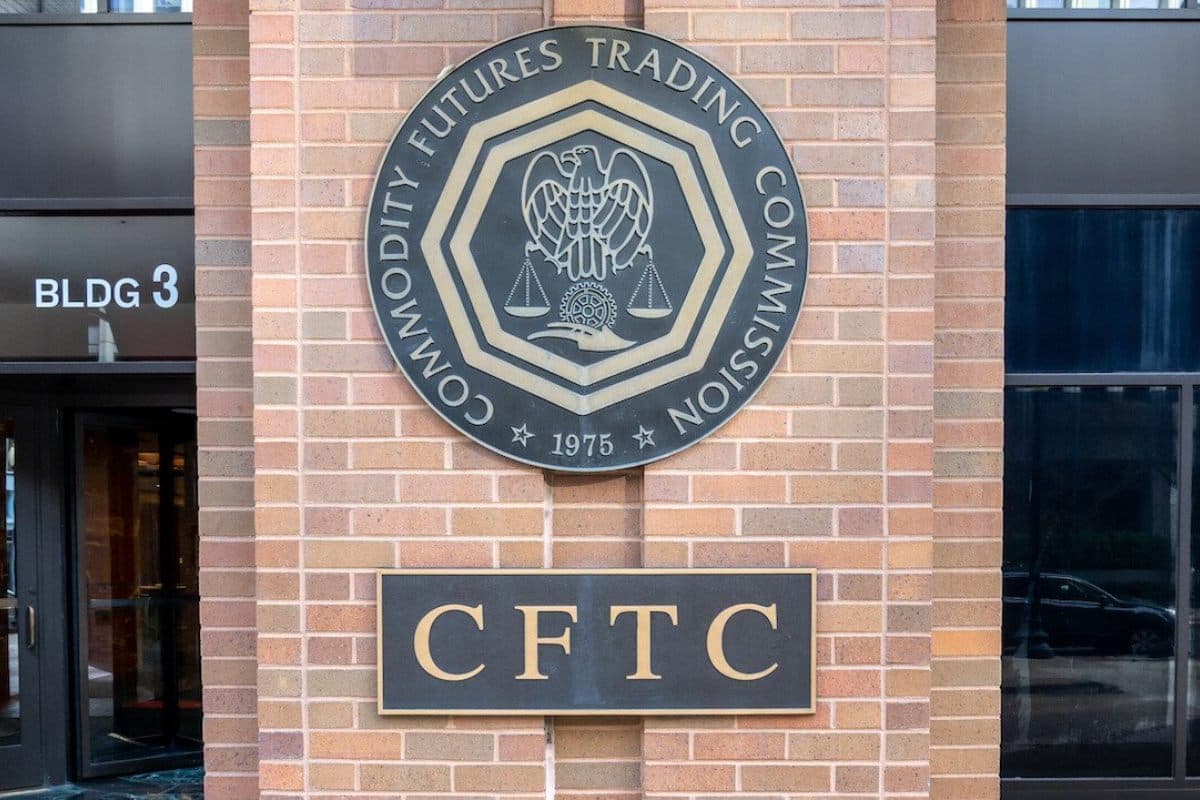
SEC and CFTC Sign Coordination Pact to Align Crypto and Financial Market Oversight
News Desk
Mar 12, 2026
4 min

Solana ETFs Attract Institutional Investors While XRP Funds Lean Retail
News Desk
Mar 11, 2026
4 min

GCEX Expands Institutional Offering with Tokenized Gold Trading
News Desk
Mar 11, 2026
2 min

U.S. Senators Negotiate Stablecoin Rewards Compromise in Market Structure Bill
News Desk
Mar 11, 2026
4 min