Companies & Deals
Share

WA
CEO & Editor-in-Chief


When U.S. Commodity Futures Trading Commission (CFTC) Acting Chairman Caroline D. Pham addressed UK policymakers last week, she raised a critical question: should the U.S. recognize foreign digital asset regimes under its cross-border frameworks? Pham highlighted the EU’s Markets in Crypto-Assets Regulation (MiCA) and pointed to key pillars like capital requirements, custody, market conduct, consumer protection, and anti-money laundering rules.
The answer for the United Arab Emirates is clear: hell yes. The UAE is a great fit, and licensed virtual asset service providers (VASPs) here are already operating at world standards.
Since its establishment in 2022, Dubai’s Virtual Assets Regulatory Authority (VARA) has been committed to building a regime purpose-built for crypto, not an extension of outdated financial laws. With its 2025 Version 2.0 rulebooks, VARA has tightened supervision across custody, token issuance, margin trading, and market conduct.
These enhancements align directly with the pillars Pham outlined — showing VARA anticipated this global convergence from the start.
Abu Dhabi Global Market’s Financial Services Regulatory Authority (FSRA) was one of the earliest globally to create a crypto framework, starting in 2018. Its rules cover exchanges, custody, and token issuance with prudential safeguards similar to traditional markets.
At the federal level, the Central Bank of the UAE (CBUAE) regulates fiat-backed stablecoins under the Payment Token Services Regulation (2024). This framework mandates full reserve backing, redemption rights, governance standards, and AML/CTF compliance. Importantly, it allows for retail acceptance of stablecoins — a step ahead of both the U.S. and EU, where lawmakers are still debating how stablecoins should be regulated.
Together, VARA, ADGM, and the CBUAE provide a three-pillar regulatory system that mirrors MiCA’s design and, in several respects, surpasses it.

Disclaimer of Warranty
The information provided in this article is for general informational purposes only. We make no warranties about the completeness, reliability, and accuracy of this information. Read full disclaimer
As Kokila Alagh, Founder & CEO of Karm Legal Consultants and Head of Legal & Regulatory Working Group and Board Member of MESA, explains: “UAE should be considered regulatory frameworks at par with the U.S. or even more. If MiCA can be recognized, then the UAE for sure. ADGM has been regulating since 2018, VARA is now four years old, and our VASPs are not only licensed but also inspected and audited. We are fully aligned with FATF’s Travel Rule for VASPs. And while other countries are still pondering stablecoin regulation, the UAE has already gone a step ahead with the Central Bank’s framework enabling retail acceptance of stablecoins.”
Her comments underline that the UAE is not an emerging jurisdiction experimenting with digital assets — it is a mature market regulator with tested supervisory mechanisms.
Skeptics often point to fragmentation: separate rules under VARA, ADGM, and federal oversight. But the MoU signed between VARA and the UAE Securities and Commodities Authority (SCA) earlier this year signals a commitment to coordination. Fragmentation is no longer a permanent drawback; it is steadily giving way to harmonization.
Caroline Pham called for recognition of regimes that embed strong standards across capital, custody, market conduct, retail protection, transparency, and illicit finance. The UAE delivers on every one of those pillars:
Binance, OKX, Crypto.com, and numerous global exchanges and custodians have already been licensed in Dubai or Abu Dhabi. These VASPs have undergone licensing, audits, and inspections — proving the rules are not just theoretical but operationally enforceable.
The CFTC’s exploration of reciprocal recognition should not stop at MiCA. The UAE’s frameworks are already global-standard ready, built from the ground up for digital assets, and actively enforced.
When Pham asked whether non-U.S. regimes should qualify under cross-border frameworks, the UAE’s answer is resounding: hell yes.

Editor's Picks
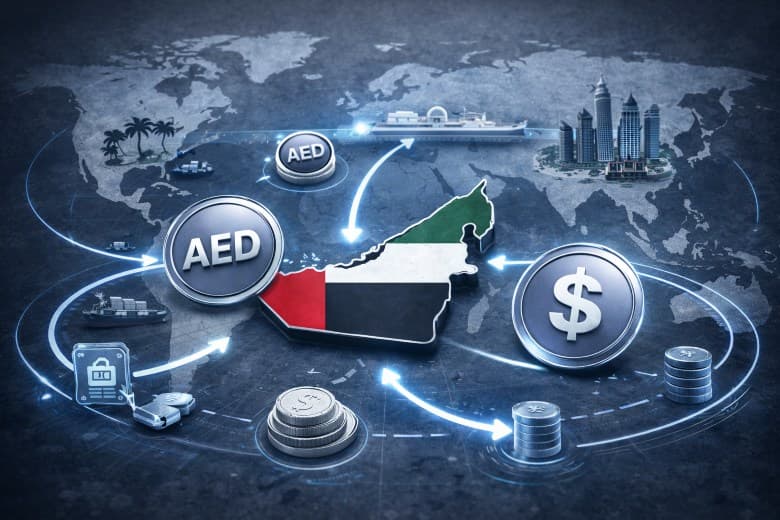
UAE Stablecoins: Why They Are Built to Travel, Not Stay Local

Walid Abou Zaki

Feb 28, 2026

8 min

The Central Bank of the UAE Clearing the Noise Around Article 62
Walid Abou Zaki
Feb 25, 2026
5 min
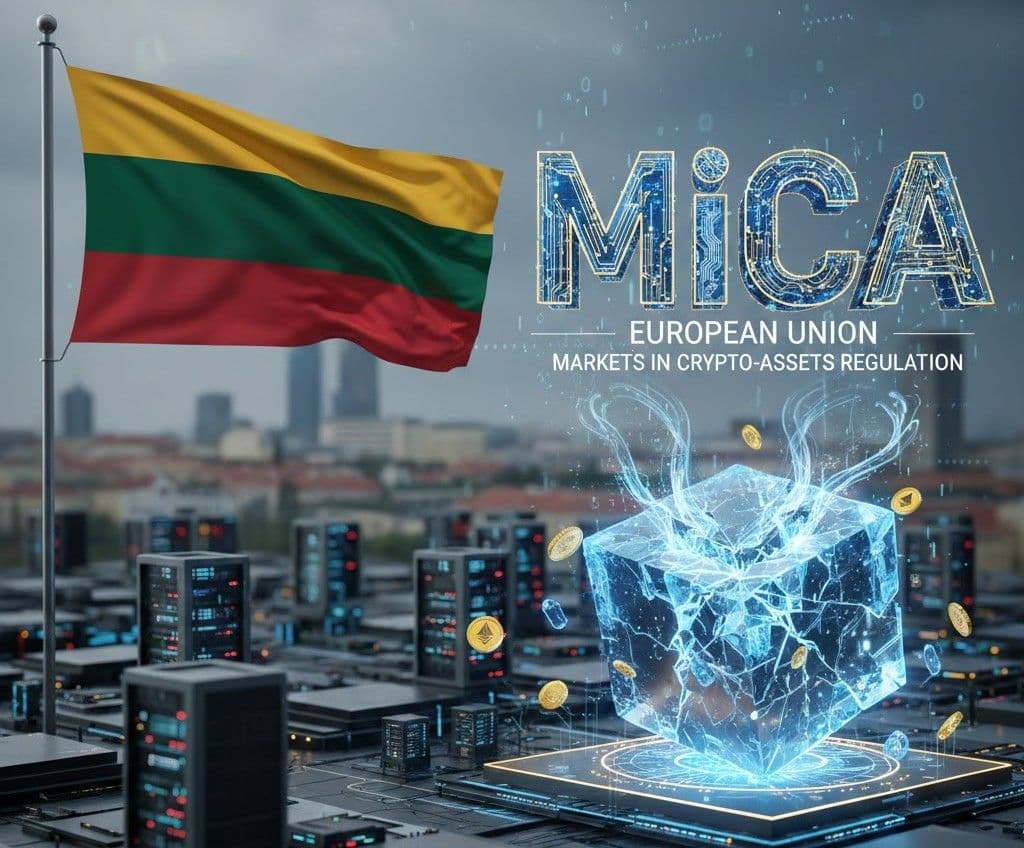
Europe’s Crypto Purge: Did Lithuania Just Kick Out Innovation — and is the UAE the Beneficiary?
Salma Naueihed
Feb 18, 2026
7 min
Read More Articles

In the Same Space
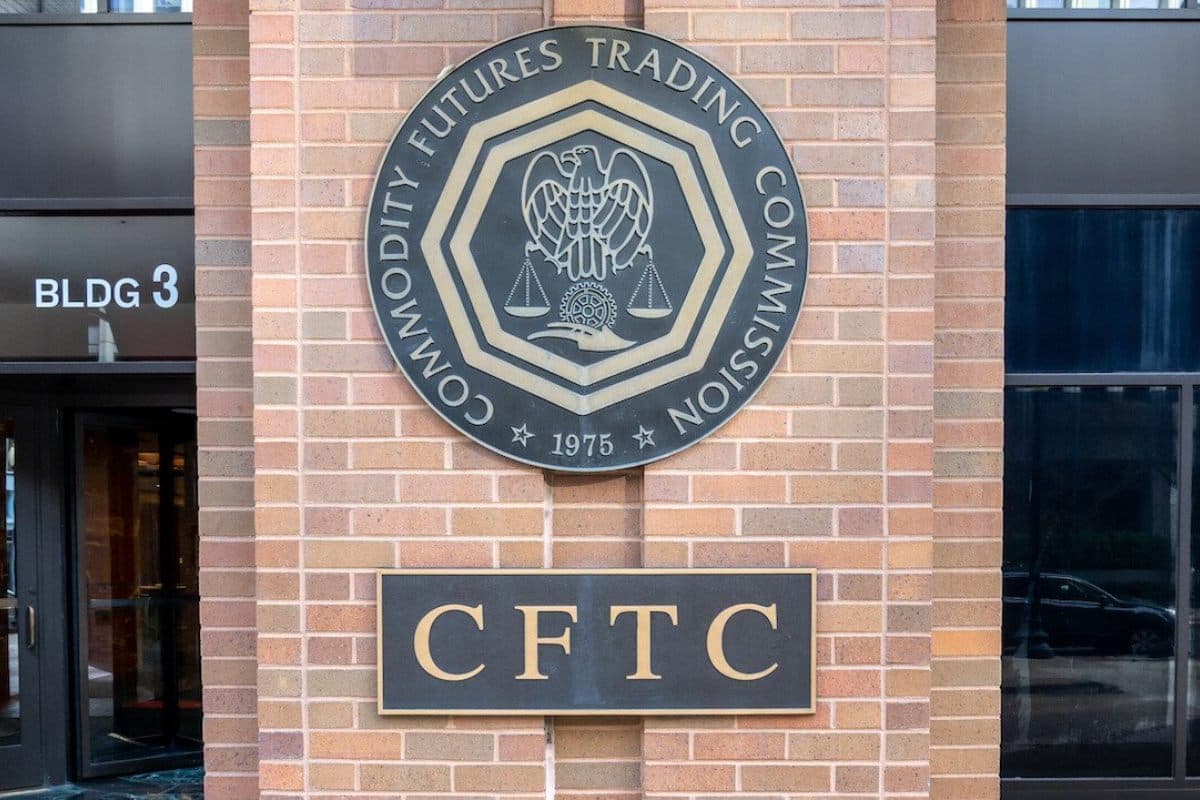
SEC and CFTC Sign Coordination Pact to Align Crypto and Financial Market Oversight
News Desk
Mar 12, 2026
4 min
VARA Issues Alert Against MEXC Over Unlicensed Activity
News Desk
Mar 6, 2026
2 min
SEC Submits Interpretive Guidance on Crypto Token Classification as CFTC Advances Prediction Markets Rules
News Desk
Mar 5, 2026
3 min

CFTC Signals Imminent Launch of U.S. Crypto-Linked Perpetual Futures
Salma Naueihed
Mar 4, 2026
3 min