Regulation & Policy
Share
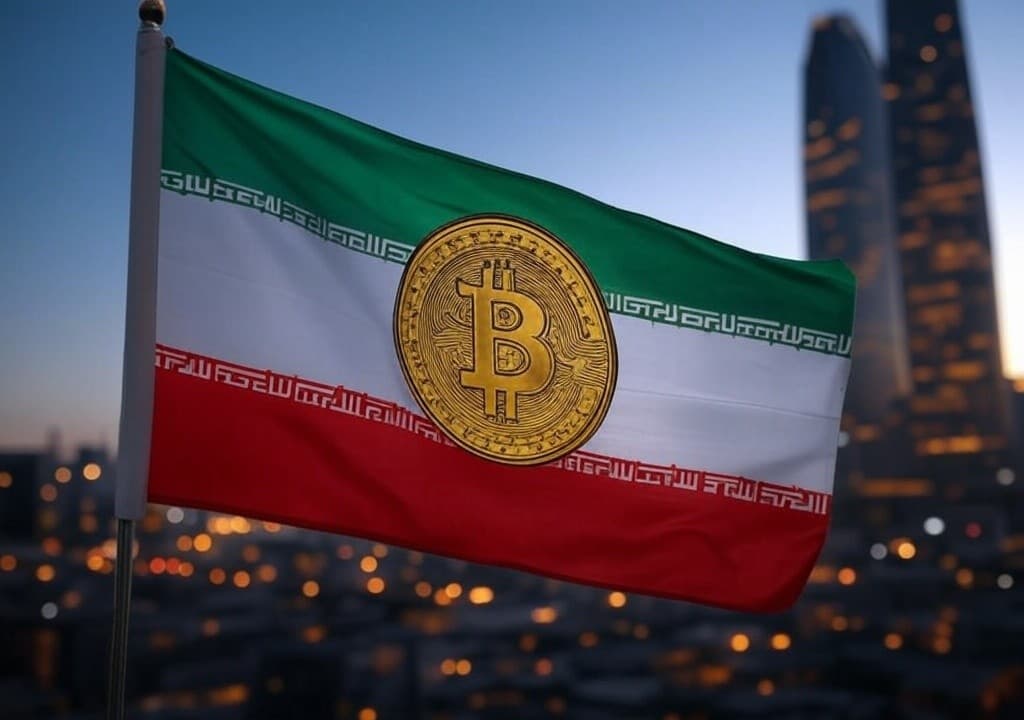
Iran appears to be on the verge of creating a national cryptocurrency as a way of circumventing impending United States sanctions. Meanwhile, the country’s cabinet recently approved a new head for the Central Bank of Iran (CBI).
State-Issued Cryptocurrency
While banks remain prohibited from facilitating cryptocurrency transactions, the country continues to work towards developing a national virtual currency. Plans have been underway for quite some time while developers and lawmakers try to work out the necessary modalities.
According to media reports, both the CBI and a group of companies with expertise in decentralized technology are working together to develop the national digital currency. All the participants are trying to ensure that the final crypto is free from any programming errors that can be exploited by cybercriminals.
Commenting on the progress made thus far, the management and investment affairs deputy of the Directorate for Scientific and Technological Affairs of the Presidential Office, Alireza Daliri said:
“We are trying to prepare the grounds to use a domestic digital currency in the country.”

Disclaimer of Warranty
The information provided in this article is for general informational purposes only. We make no warranties about the completeness, reliability, and accuracy of this information. Read full disclaimer
Recently, the country achieved a notable milestone as it developed its premier encrypted key using blockchain technology. The new piece of technology is expected to be adopted in the country’s banking sector as a means of settling financial transactions in commercial banks.
Iran’s Economic Problems
The apparent haste to develop a working national cryptocurrency comes as the country grapples with severe economic problems. Renewed U.S. sanctions are expected in August 2018 due to the pull out of the Trump administration from the 2015 nuclear deal.
On the home front, the Iranian rial has been in freefall despite the best efforts of the government. In April, the government enacted a law to unify the dual rate system, unilaterally setting a new exchange rate of 42,000 rials to $1. Also, the government banned all forex trading outside this official rate.
However, the rate unification exercise failed to have its desired effect, with the country seemingly ending up with four forex market rates. On Wednesday, (July 25, 2018), the Iranian cabinet appointed a new CBI head in the hopes of sparking a revival.
In August 2018, the country will come under new U.S. sanctions. As stated above, Iran’s digital currency is a concerted effort by the government to circumvent the impacts of the economic blockade. Commenting on the matter, Dalir also said:
“This currency would facilitate the transfer of money (to and from) anywhere in the world. Besides, it can help us at the time of sanctions.”


Editor's Picks

UAE Stablecoins: Why They Are Built to Travel, Not Stay Local

Walid Abou Zaki

Feb 28, 2026

8 min

The Central Bank of the UAE Clearing the Noise Around Article 62
Walid Abou Zaki
Feb 25, 2026
5 min

Europe’s Crypto Purge: Did Lithuania Just Kick Out Innovation — and is the UAE the Beneficiary?
Salma Naueihed
Feb 18, 2026
7 min
Read More Articles

In the Same Space

U.S. Senators Negotiate Stablecoin Rewards Compromise in Market Structure Bill
News Desk
Mar 11, 2026
4 min

US Banks Weigh Lawsuit Over Crypto Trust Charters
News Desk
Mar 10, 2026
3 min

U.S. Congress Considers Granting Crypto Exchanges Authority to Freeze Suspicious Assets
News Desk
Mar 9, 2026
4 min

US Federal Court Dismisses All Claims Against Binance in Anti-Terrorism Lawsuit
News Desk
Mar 9, 2026
3 min