Institutional Adoption
Share
South Korea’s financial watchdog, the Financial Services Commission (FSC), announced on Wednesday its plans to release comprehensive guidelines for institutional crypto investment by the third quarter of this year.
The announcement was made during a meeting between the FSC and local crypto industry experts. According to the FSC, while guidelines for public companies and professional investors are expected by Q3, it aims to roll out guidance for non-profit organizations and crypto exchanges sooner, targeting April.
This move follows the FSC’s earlier statement in January, when it revealed intentions to gradually lift the effective ban that has prevented institutional investors from entering the crypto space. Last month, the regulator confirmed it would begin by allowing charities and universities to sell their crypto assets in the second quarter.
The upcoming detailed guidelines mark a significant shift in South Korea’s regulatory stance, moving away from its historically strict opposition to crypto asset exposure in traditional financial markets.

Disclaimer of Warranty
The information provided in this article is for general informational purposes only. We make no warranties about the completeness, reliability, and accuracy of this information. Read full disclaimer
Increased institutional involvement is expected to fuel growth and add substantial liquidity to South Korea’s crypto market, already one of the world’s largest and dominated by retail altcoin trading. As of November 2024, approximately 15.6 million people—about 30% of the nation’s population—were actively trading cryptocurrencies, according to Korea Economic Daily.
During Wednesday’s meeting, FSC Vice Chairman Kim So-young emphasized South Korea’s accelerating efforts to nurture its cryptocurrency market, noting that “the U.S. administration under Donald Trump has accelerated global discussions on crypto.” He added that the forthcoming guidelines are designed to define institutional “best practices,” covering areas such as crypto trading, disclosure, and reporting standards.
Kim also called on local banks and cryptocurrency exchanges to strengthen their anti-money laundering measures and bolster cybersecurity to curb illicit activities and prevent hacks. Under current South Korean regulations, users of crypto exchanges are required to link real-name verified bank accounts.
Although local media reported last year that the FSC was considering lifting its ban on spot cryptocurrency exchange-traded funds (ETFs), the topic was not addressed in the FSC’s latest announcement.
In parallel, the FSC is working on the second phase of its two-part crypto regulatory framework. The first phase came into effect last year, while the second set of rules will focus on stablecoins and oversight of crypto business operators.




Editor's Picks

UAE Stablecoins: Why They Are Built to Travel, Not Stay Local

Walid Abou Zaki

Feb 28, 2026

8 min

The Central Bank of the UAE Clearing the Noise Around Article 62
Walid Abou Zaki
Feb 25, 2026
5 min

Europe’s Crypto Purge: Did Lithuania Just Kick Out Innovation — and is the UAE the Beneficiary?
Salma Naueihed
Feb 18, 2026
7 min
Read More Articles

In the Same Space
SEC and CFTC Sign Coordination Pact to Align Crypto and Financial Market Oversight
News Desk
Mar 12, 2026
4 min
Solana ETFs Attract Institutional Investors While XRP Funds Lean Retail
News Desk
Mar 11, 2026
4 min
GCEX Expands Institutional Offering with Tokenized Gold Trading
News Desk
Mar 11, 2026
2 min
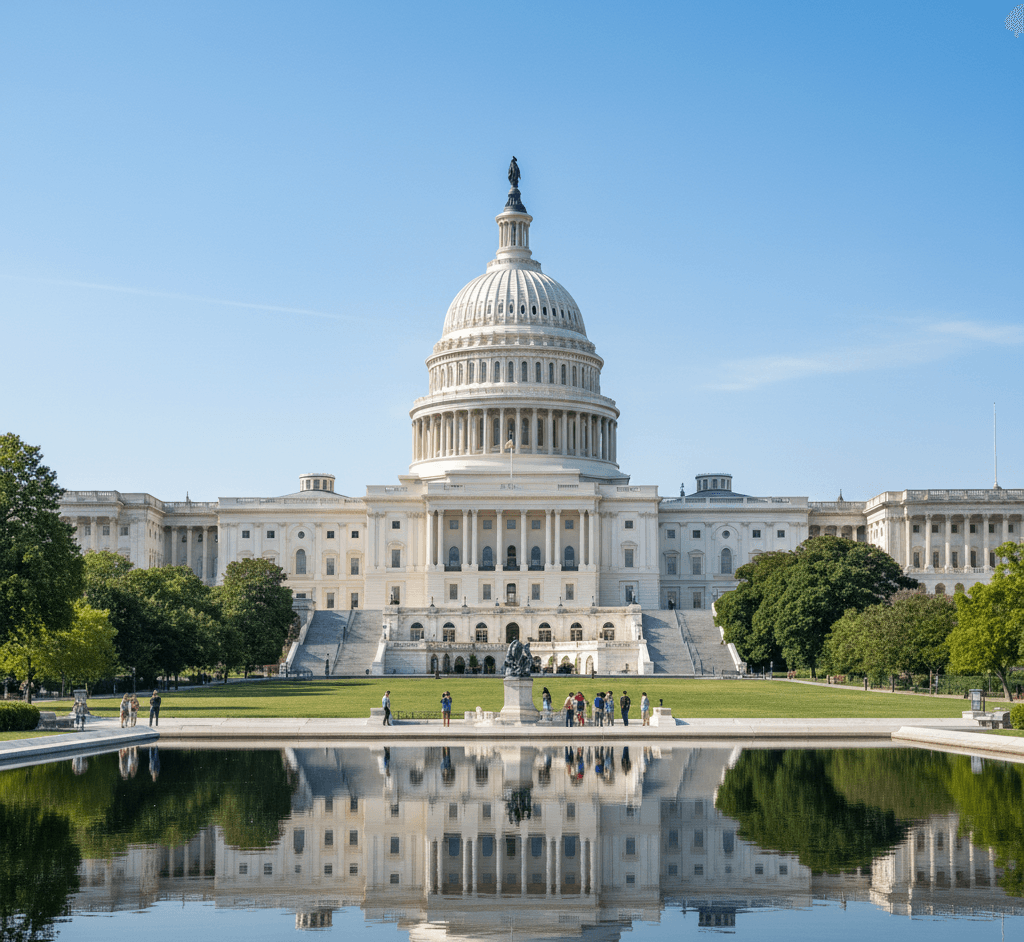
U.S. Senators Negotiate Stablecoin Rewards Compromise in Market Structure Bill
News Desk
Mar 11, 2026
4 min


