Stablecoins & Payments
Share
S&P Global, a renowned financial data and analytics firm recognized for its S&P 500 Index, has ventured into a comprehensive assessment of stablecoins, revealing critical insights into their stability and performance.
In its inaugural evaluations of eight stablecoins, none garnered the highest mark, while two received the lowest rating, indicative of challenges in maintaining their fiat pegs.
The assessment methodology, according to Cointelegraph, encompasses an in-depth analysis of various facets. Beginning with scrutinizing asset quality risks, the evaluation further considers mitigating factors linked to these risks.
Additionally, crucial aspects such as governance, legal and regulatory frameworks, redeemability and liquidity, technology, third-party dependencies, and track record form pivotal components of the assessment.

Disclaimer of Warranty
The information provided in this article is for general informational purposes only. We make no warranties about the completeness, reliability, and accuracy of this information. Read full disclaimer
This marked initiative by S&P Global, formerly known as Standard & Poor’s, signifies a heightened focus on stablecoins, a departure from its prior engagements, showcasing a deeper commitment to understanding and evaluating their intricacies.
Senior analyst Lapo Guadagnuolo from S&P Global Ratings highlighted the expanding role of stablecoins within financial markets. He emphasized their pivotal role as a bridge between digital and real-world assets. Guadagnuolo underlined the susceptibility of stablecoins to various factors, including asset quality, governance, and liquidity, urging a nuanced understanding of their operational dynamics.
Among the stablecoins evaluated, Gemini (GUSD), Pax (USDP), and USD Coin (USDC) emerged with ratings of 2 (strong), the highest accorded. This achievement was attributed to the robustness of their asset backing. Notably, both Gemini and Pax operate under the supervision of the New York State Department of Financial Services, enhancing their regulatory credibility.
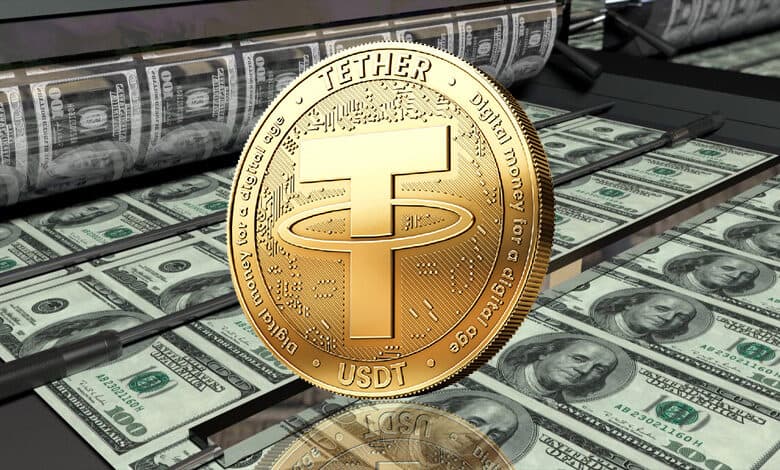
However, Tether (USDT), the dominant stablecoin by market capitalization, received a rating of 4 (constrained). The assessment primarily underscored concerns regarding the lack of transparency surrounding its assets. TrueUSD and FRAX faced similar challenges, securing ratings of 5 (weak). TrueUSD's rating was attributed to insufficient information, while FRAX's continued dependence on an algorithm, despite a community decision to transition to USD backing in March, contributed to its lower rating.
The growing interest in stablecoin assessment extends beyond S&P Global, with Moody’s rating service venturing into this domain. In November, Moody's introduced its Digital Asset Monitor service, leveraging artificial intelligence for stablecoin analysis, signaling an industry-wide recognition of the significance of these digital assets in today's financial landscape.



Editor's Picks
UAE Stablecoins: Why They Are Built to Travel, Not Stay Local

Walid Abou Zaki

Feb 28, 2026

8 min

The Central Bank of the UAE Clearing the Noise Around Article 62
Walid Abou Zaki
Feb 25, 2026
5 min

Europe’s Crypto Purge: Did Lithuania Just Kick Out Innovation — and is the UAE the Beneficiary?
Salma Naueihed
Feb 18, 2026
7 min
Read More Articles

In the Same Space

Dubai Taxi Eyes Crypto Gateway Amid UAE Stablecoin Push
News Desk
Feb 26, 2026
2 min
OCC Seeks Feedback on GENIUS Act Stablecoin Proposal
News Desk
Feb 26, 2026
2 min
Revolut Begins UK Pound Stablecoin Testing in FCA Sandbox
News Desk
Feb 26, 2026
2 min

U.S. Senators Negotiate Stablecoin Rewards Compromise in Market Structure Bill
News Desk
Mar 11, 2026
4 min