Research & Analysis
Share
As cryptocurrency continues to reshape digital assets and investments, nations worldwide are racing to position themselves to capitalize on the growth of this transformative industry. Therefore, some countries have created robust regulatory frameworks and tax policies to foster innovation and attract crypto-based startups.
Social Capital Markets' latest report shines a spotlight on the top crypto-friendly countries of 2024, with a mix of long-standing leaders and emerging players.
Here's a look at the top 10 countries that are paving the way for cryptocurrency businesses to thrive, based on factors like regulatory clarity, tax policies, and the overall environment for blockchain ventures.
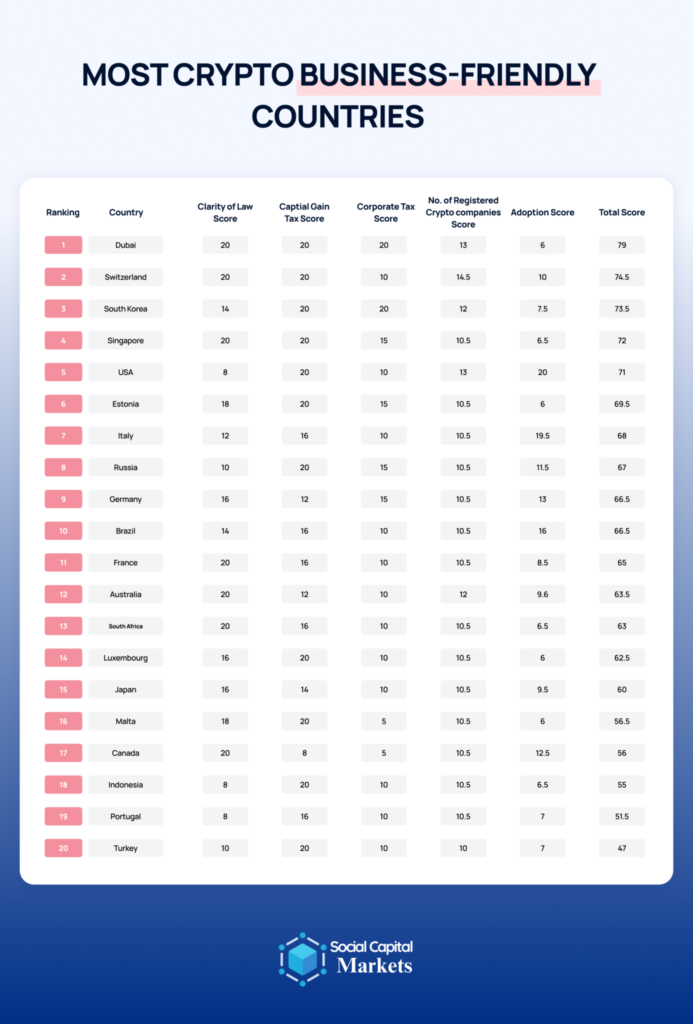
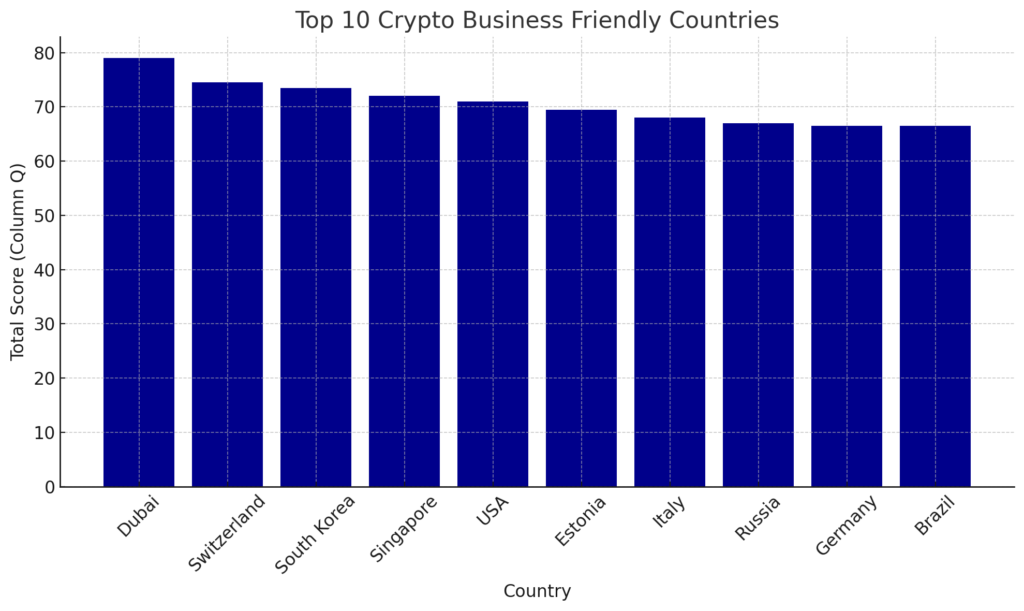
Dubai has emerged as a progressive crypto country in the last few years. Its DMCC ( Dubai Multi Commodities Centre) has even added a crypto center and a launchpad for companies working with crypto and blockchain technologies.
This G20 nation has regulatory entities like VARA (Virtual Asset Regulatory Authority) and DFSA ( Dubai Financial Services Authority).
Companies must register with DFSA and DMCC to operate a crypto business in Dubai. The government does not impose a capital gains tax on crypto corporate income, making it appealing to crypto firms.
Additionally, Dubai has a low corporate income tax rate of 9% for income above AED 375,000. There are currently over 550 registered crypto firms operating in Dubai.
Switzerland has made significant strides in the crypto space. Its city of Zug is recognized as a global crypto hub. In 2018, the economy minister, Johann Schneider-Ammann, announced his vision to make Switzerland a crypto nation.
The Swiss Financial Market Supervisory Authority (FINMA) provides clear and supportive regulations, particularly in the crypto-friendly canton of Zug. Crypto companies are required to register with FINMA.
The clarity of laws here has made it a preferred destination for over 900 registered crypto businesses.
The nation has established reasonable tax rates for crypto service providers.
Switzerland has imposed a 7% capital gain tax and corporate tax income rate ranging from 12% – 21%. Plus, over 400 various companies within the country accept cryptocurrency as payment.
South Korea, another G20 country, is becoming a hotspot for crypto businesses.
The digital asset transaction and services are regulated by entities like the Korea Financial Intelligence Unit (KFIU), a division of the Financial Services Commission (FSC).
However, the regulations concerning cryptocurrency in this area are still being developed.

Disclaimer of Warranty
The information provided in this article is for general informational purposes only. We make no warranties about the completeness, reliability, and accuracy of this information. Read full disclaimer
To run a crypto service firm in South Korea, businesses need to register with FSC and operate in compliance with the same entity’s laws.
Even though the regulatory framework is still developing, the country’s commitment to fostering a crypto-friendly environment is evident.
South Korea currently has postponed capital gains tax, and the corporate tax will be enforced in 2025. With over 376 registered crypto companies, South Korea is steadily gaining traction as Asia’s crypto powerhouse.
Singapore is a prime business hub, including for crypto companies.
Corporations need a license from the Monetary Authority of Singapore (MAS) to establish a crypto business in Singapore.
Additionally, the country supports the crypto industry through the Cryptocurrency and Blockchain Association, which assists small and medium-scale enterprises in this niche.
The absence of capital gains tax and a flat corporate tax rate of 17% on chargeable income are significant draws for crypto entrepreneurs.
With almost 19 registered companies, Singapore dominates Southeast Asia’s crypto business space. The country allocated a significant grant of $8.9 million for the research and development of blockchain technology in Southeast Asia.
Crypto is widely accepted in the USA. Over 5000 businesses in different niches accept cryptocurrency as payment in the country.
From this, it’s clear that crypto is a substantial industry in this G20 nation. However, the clarity of laws varies by state, creating a mixed regulatory environment.
The USA has a considerable crypto sector, with many states enacting pro-crypto laws. For instance, Colorado offers a sandbox program for blockchain businesses to test new products and services.
Currently, the country doesn’t levy any capital gain tax on cryptos. The corporate income tax rate stands at 21%, and the license fees can be substantial, exemplified by the government fee of $176,226.
In the end, the USA continues to be a major player with many registered crypto companies, fueled by its expansive market and innovative spirit.
As we look toward the future of cryptocurrency, the progress made by these nations is truly commendable. Each of the top-ranked countries has demonstrated a remarkable commitment to enhancing innovation and creating an environment where crypto businesses can thrive.
Dubai, UAE leading the pack with its exceptional regulatory framework and favorable tax policies, exemplifies the proactive approach needed to harness the full potential of the digital economy.

Editor's Picks
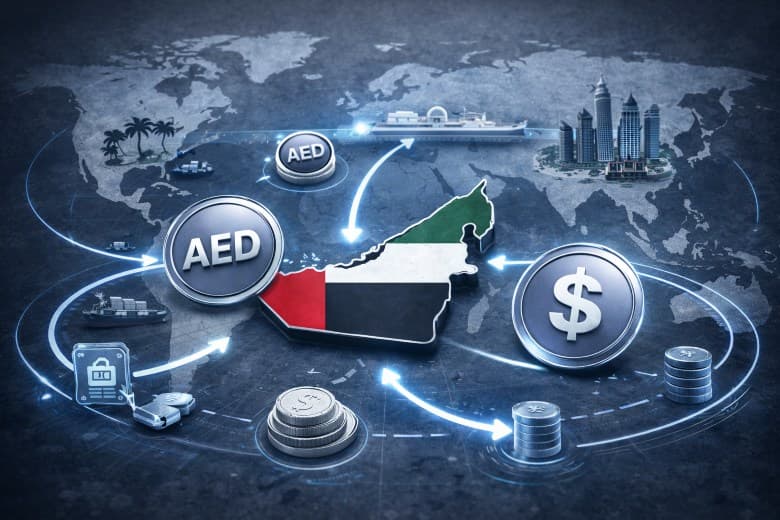
UAE Stablecoins: Why They Are Built to Travel, Not Stay Local

Walid Abou Zaki

Feb 28, 2026

8 min

The Central Bank of the UAE Clearing the Noise Around Article 62
Walid Abou Zaki
Feb 25, 2026
5 min

Europe’s Crypto Purge: Did Lithuania Just Kick Out Innovation — and is the UAE the Beneficiary?
Salma Naueihed
Feb 18, 2026
7 min
Read More Articles

In the Same Space
VARA Issues Alert Against MEXC Over Unlicensed Activity
News Desk
Mar 6, 2026
2 min
UAE Stablecoins: Why They Are Built to Travel, Not Stay Local
Walid Abou Zaki
Feb 28, 2026
8 min

OCC Faces Scrutiny from Elizabeth Warren Over Trump-Linked Crypto Bank Bid
News Desk
Feb 27, 2026
3 min
Dubai Taxi Eyes Crypto Gateway Amid UAE Stablecoin Push
News Desk
Feb 26, 2026
2 min