Regulation & Policy
Share

AH
Content Writer


The number of product recalls in the food industry has increased significantly over the past two years – shooting up 58% in the EU, nearly doubling in the US and rising massively in Asia. In the past year we’ve seen [lettuce contaminated with E-Coli, crackers recalled due to salmonella fears, and Listeria affecting both processed meat in South Africa and Australian melons being imported to Singapore].
This doesn’t necessarily mean there are more issues with food contamination today than in the past, but it does reflect that governments worldwide are being more scrupulous about how food is sourced, manufactured and consumed. Regulators are keeping a closer eye on these issues, making them more public and pushing to ensure they are handled as swiftly as possible when they do occur.
This desire to gain greater visibility into their operations has driven food manufacturers to explore the possibilities of new technologies like blockchain. Just as it allows cryptocurrency traders to safely mine and exchange Bitcoin, blockchain can provide a secure and reliable ledger for the movement and traceability of goods, in this case food items and their constituent ingredients. If a manufacturer can easily see where goods have come from, they can sort the problem more quickly.
Speed is of the essence in the case of a contamination, first and foremost for the safety of customers, but also because product recalls come at a high price. A direct recall alone will set a manufacturer back an average of $10 million, and that’s just the start. An outbreak or contamination that isn’t handled swiftly can go from minor scandal to full-blown brand crisis in a matter of hours.
It’s at this point that the long-term impact of reputational damage can make or break fortunes – more than a fifth of consumers say they wouldn’t make a future purchase from a manufacturer that needed to recall one of its products.
Food manufacturing is not a simple process. Ingredients are sourced from locations all over the world through a number of suppliers and shipping partners. Until recently, it has been nigh-on impossible for food manufacturers to gain clear visibility of every ingredient in their supply chain and its origins, which also hampered their ability to trace the source of a contamination.
By integrating blockchain into their existing supplier management systems and throughout their partner network, companies can integrate the technology into their supply chain relatively easily and quickly. With this in place, they can then reliably share and conduct trusted transactions with their suppliers and trade partners and ensure that all stages of the process are tracked and verified by a stamp of approval from a number of third parties.
For food manufacturers, having all of this information in one place means contaminations can be identified and dealt with far quicker, before too many customers are affected.

Disclaimer of Warranty
The information provided in this article is for general informational purposes only. We make no warranties about the completeness, reliability, and accuracy of this information. Read full disclaimer
Learning from the outside in:
One industry that can be looked to as a best practice example of how to use Blockchain to solve the track and trace problem is shipping. Similar to the food supply chain, there are multiple parties involved - from shippers, forwarders, carriers, truckers, and customs agencies - that need to work together, often via complex, manual and paper driven processes.
Aiming to change this, CargoSmart Limited, a global shipping software solution provider, which has recently formed a consortium, the Global Shipping Business Network (GSBN) around its an open digital platform based on distributed ledger technology.
This new platform will establish a digital baseline that aims to connect all stakeholders, including carriers, terminal operators, customs agencies, shippers, and logistics service providers to enable collaborative innovation and digital transformation in the supply chain.
This ‘digital baseline’ can referenced by those involved so that they can track and trace their cargo at each stage of its journey to check its progress. The platform will enable the parties to collaborate more efficiently and boost efficiency by expediting documentation turnaround times and reducing disputes, but also importantly, it will also empower them to take immediate action should something untoward or unexpected happen. For shipping this could be disruption from major weather systems, such as Hurricane Florence and Super Cyclone Mangkhut. In the case of food safety this could be a product recall following a contamination.
No wonder the first application is a blockchain solution for shipment documentation to improve on the current, complex supply chain processes. It aims to provide the organisations involved with a single, immutable version of truth for shipment documentation management.
This kind of accountability and traceability is important, cross industry. In the food safety space, where there is so much at risk if things go wrong, it’s paramount. The Food Safety Consortium listed blockchain as one of the most valuable tools for manufacturers in their quest to guarantee food safety, and we are sure to see technology growing number of companies follow in the footsteps of CargoSmart.
With the scrutiny around product recalls rising over the past few years and consumers increasingly interested in the provenance of their goods, the need for transparency into supply chains will only grow. Blockchain, at its core, is a bona fide tracking system that holds all involved parties accountable, making it a perfect addition to the production of goods – and now both manufacturers and distributors can easily weave it into their supply chains. Doing so means future-proofing themselves, keeping their customers safe and preventing a small issue from exploding into a major crisis.



Editor's Picks
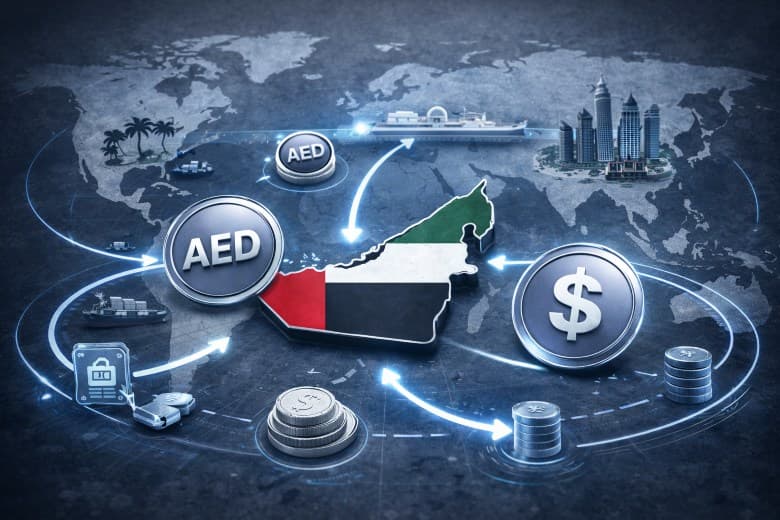
UAE Stablecoins: Why They Are Built to Travel, Not Stay Local

Walid Abou Zaki

Feb 28, 2026

8 min

The Central Bank of the UAE Clearing the Noise Around Article 62
Walid Abou Zaki
Feb 25, 2026
5 min
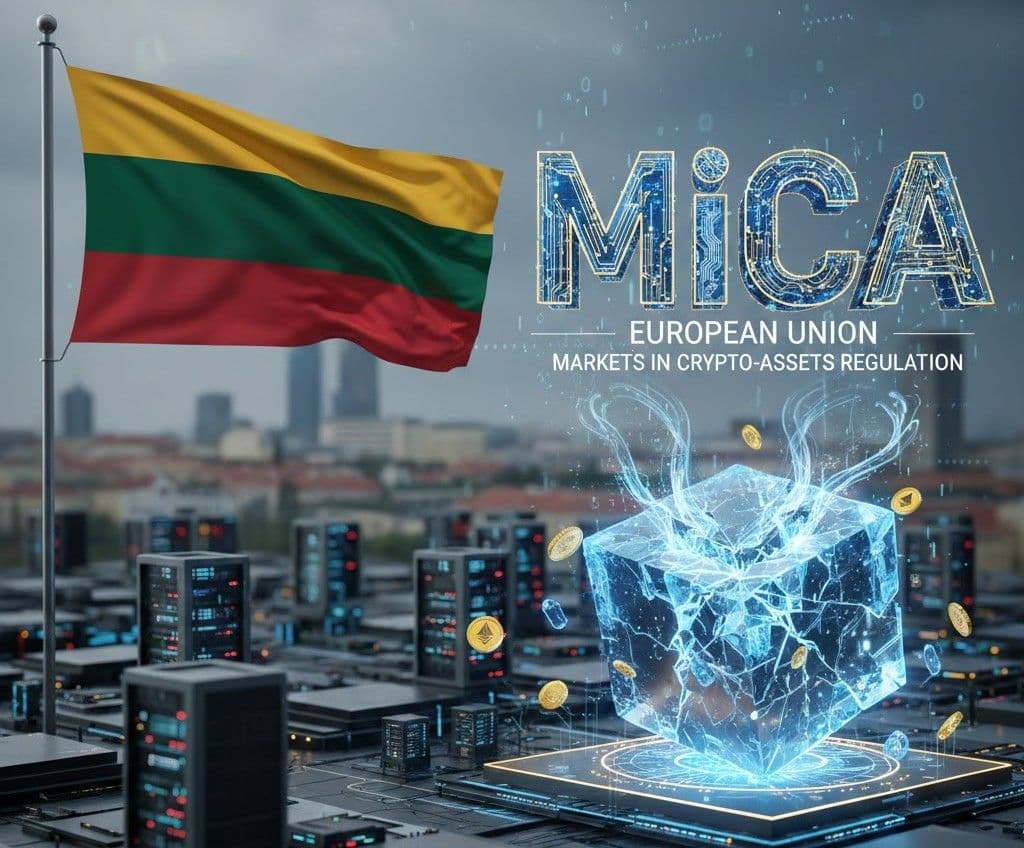
Europe’s Crypto Purge: Did Lithuania Just Kick Out Innovation — and is the UAE the Beneficiary?
Salma Naueihed
Feb 18, 2026
7 min
Read More Articles

In the Same Space
US Federal Court Dismisses All Claims Against Binance in Anti-Terrorism Lawsuit
News Desk
Mar 9, 2026
3 min
SEC Seeks Settlement With Justin Sun in TRON Case
News Desk
Mar 6, 2026
4 min
VARA Issues Alert Against MEXC Over Unlicensed Activity
News Desk
Mar 6, 2026
2 min

Iran Linked to $3B in Crypto Activity as Illicit Flows Increase
News Desk
Mar 6, 2026
4 min

