DeFi Infrastructure
Share
The Uniswap SEC probe has concluded, marking a triumph for decentralized finance (DeFi). On February 25, 2025, Uniswap Labs revealed that the U.S. Securities and Exchange Commission (SEC) closed its multi-year investigation with no enforcement action. For crypto enthusiasts and investors in the MENA region, this DeFi victory signals a brighter future amid evolving crypto regulation.
The SEC began scrutinizing Uniswap Labs in April 2024, issuing a Wells notice over its decentralized exchange model. The regulator probed whether Uniswap acted as an unregistered securities exchange and if its UNI token was an unregistered security. This Uniswap regulatory investigation sparked concerns about DeFi’s viability under U.S. rules.
However, Uniswap Labs defended its Ethereum-based protocol, which uses smart contracts for peer-to-peer trading. After years of uncertainty, the SEC dropped the case. CEO Hayden Adams called it a “huge win,” despite the hefty costs. UNI’s price jumped 5% to $8.28, even as Bitcoin dipped below $90,000.

Disclaimer of Warranty
The information provided in this article is for general informational purposes only. We make no warranties about the completeness, reliability, and accuracy of this information. Read full disclaimer
The SEC dropping the Uniswap case bolsters DeFi’s case globally. This outcome shows decentralized platforms can withstand regulatory pressure, unlike centralized exchanges facing stricter oversight. For the MENA region, where crypto interest is rising, it’s a confidence boost.
In the UAE and Bahrain, crypto regulation is advancing. The UAE’s VARA recently granted MANTRA a limited DeFi license. Bahrain also licenses exchanges, while Saudi Arabia lags with no specific rules. The Uniswap win could encourage MENA regulators to support DeFi innovation.
With the Uniswap SEC probe resolved, the platform is poised for growth. As Ethereum’s leading DeFi exchange, it processes billions in monthly trades. This resolution could draw more users, strengthening its position. The Bybit hack on February 21, 2025, where $1.46 billion was stolen, may further push traders toward decentralized exchanges like Uniswap, highlighting the security risks of centralized platforms.
Globally, other DeFi projects might learn from this success. In MENA, the news aligns with moves like VARA’s DeFi license to MANTRA on February 19, 2025, suggesting a regulated yet open future. Despite UNI’s 5% rise to $8.28 amid a volatile market, optimism holds strong. The end of the Uniswap SEC probe is a clear DeFi victory. For MENA’s crypto community, it pairs well with regional progress, offering hope for blockchain growth.

Editor's Picks
UAE Stablecoins: Why They Are Built to Travel, Not Stay Local

Walid Abou Zaki

Feb 28, 2026

8 min

The Central Bank of the UAE Clearing the Noise Around Article 62
Walid Abou Zaki
Feb 25, 2026
5 min
Europe’s Crypto Purge: Did Lithuania Just Kick Out Innovation — and is the UAE the Beneficiary?
Salma Naueihed
Feb 18, 2026
7 min
Read More Articles

In the Same Space
SEC and CFTC Sign Coordination Pact to Align Crypto and Financial Market Oversight
News Desk
Mar 12, 2026
4 min
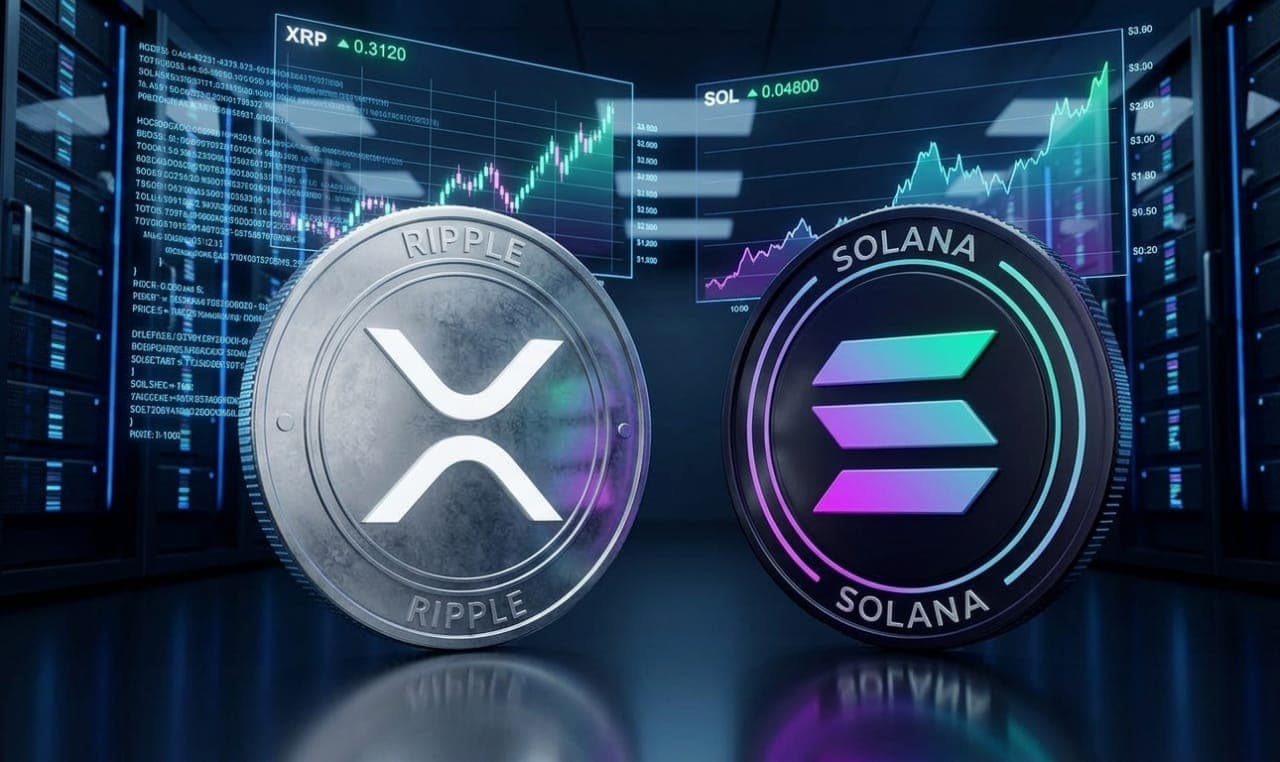
Solana ETFs Attract Institutional Investors While XRP Funds Lean Retail
News Desk
Mar 11, 2026
4 min
GCEX Expands Institutional Offering with Tokenized Gold Trading
News Desk
Mar 11, 2026
2 min
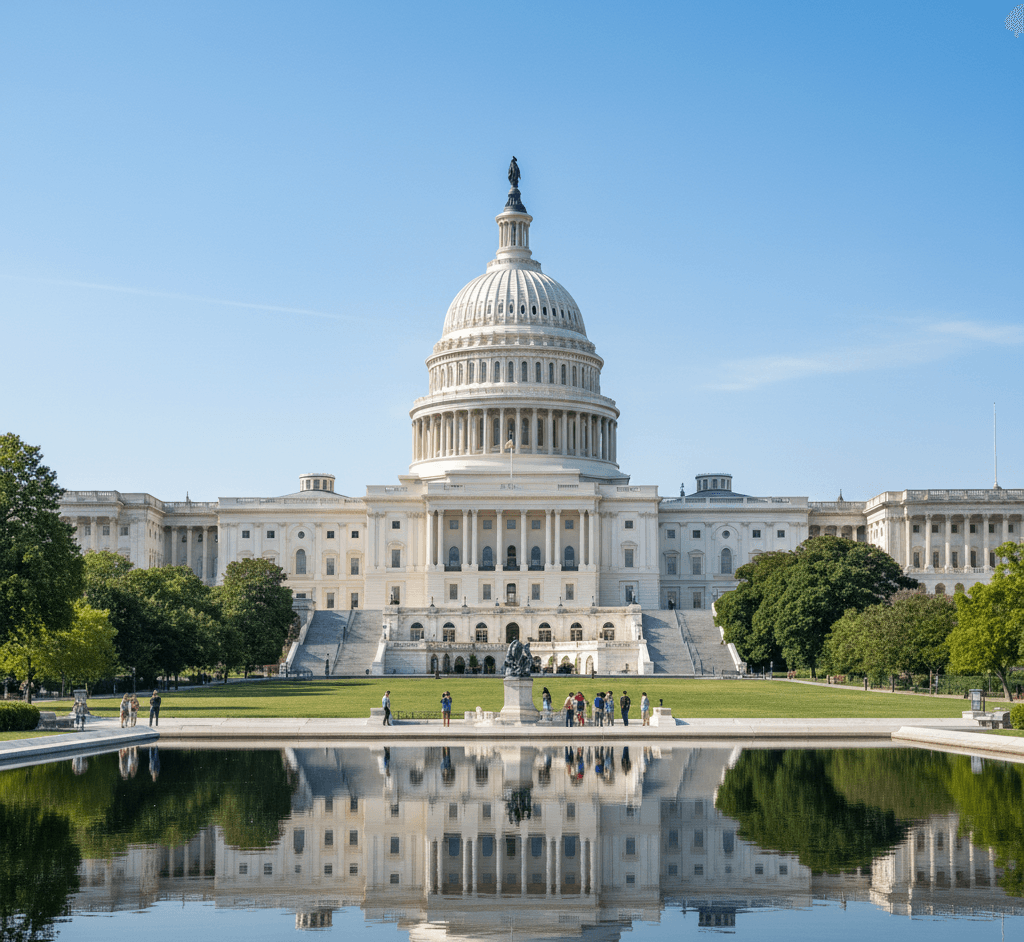
U.S. Senators Negotiate Stablecoin Rewards Compromise in Market Structure Bill
News Desk
Mar 11, 2026
4 min